Tracing Regulatory Checkpoints That Shape Instant Bonus Triggers Across Mobile Slot Ecosystems in Controlled Nordic Markets
Skriven av Carlo Simmons · 2026-11-23
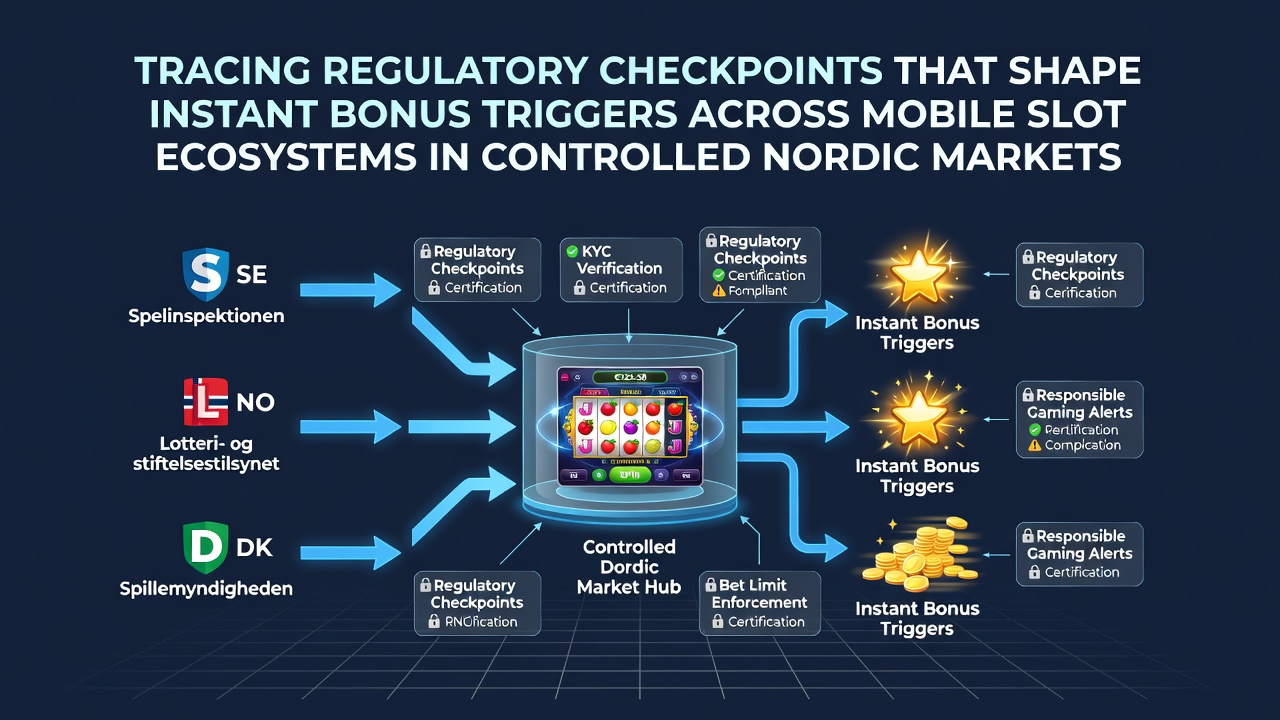
Tracing Regulatory Checkpoints That Shape Instant Bonus Triggers Across Mobile Slot Ecosystems in Controlled Nordic Markets
Nordic markets maintain strict oversight of mobile slot ecosystems through layered regulatory checkpoints that directly influence how instant bonus triggers operate on licensed platforms, and these rules continue to evolve with updates tracked through late 2026. Sweden's Spelinspektionen enforces licensing conditions that require real-time verification before any bonus activation occurs, which means mobile operators must integrate secure authentication layers that align player accounts with bonus eligibility in seconds rather than minutes. Denmark follows a similar model under its gaming authority while Finland and Norway impose additional state-controlled restrictions that limit bonus frequency and tie triggers to centralized player registries.
Core Licensing Requirements Across the Region
Operators seeking approval must demonstrate that instant bonus triggers comply with fairness standards embedded in each jurisdiction's technical regulations, and these standards cover random number generator certification along with payout percentage disclosures that affect bonus mechanics. Data from national registries shows that platforms in Sweden processed over 2.4 million mobile bonus activations in the first half of 2026, with the majority tied to deposit events that clear automated compliance checks within the same session. Those who've studied the frameworks note that checkpoints often require bonus rules to appear in plain language inside the mobile interface before any trigger can fire, reducing ambiguity for users while satisfying transparency mandates.
Verification and Timing Protocols
Instant triggers depend on seamless integration between mobile apps and national identification systems, yet regulators impose strict timelines that prevent premature bonus releases until identity confirmation completes. In practice this creates a sequence where the first checkpoint validates age and residency, the second confirms account funding status, and the third authorizes the bonus credit only after both prior steps succeed. Research indicates that platforms failing to meet these sequenced checks face license reviews, and several operators adjusted their mobile flows during 2026 to incorporate additional logging that records each checkpoint timestamp for audit purposes.
Mobile-Specific Implementation Challenges
Mobile slot ecosystems introduce unique variables because device fragmentation and network variability can disrupt the precise timing regulators expect for bonus delivery. Operators address this by maintaining server-side logic that overrides local device states, ensuring the bonus trigger executes only after all regulatory conditions register as satisfied regardless of connection quality. Observers note that November 2026 brought renewed focus on these issues when several Nordic platforms reported brief delays in bonus processing during peak evening hours, prompting technical reviews that reinforced the need for redundant checkpoint pathways.
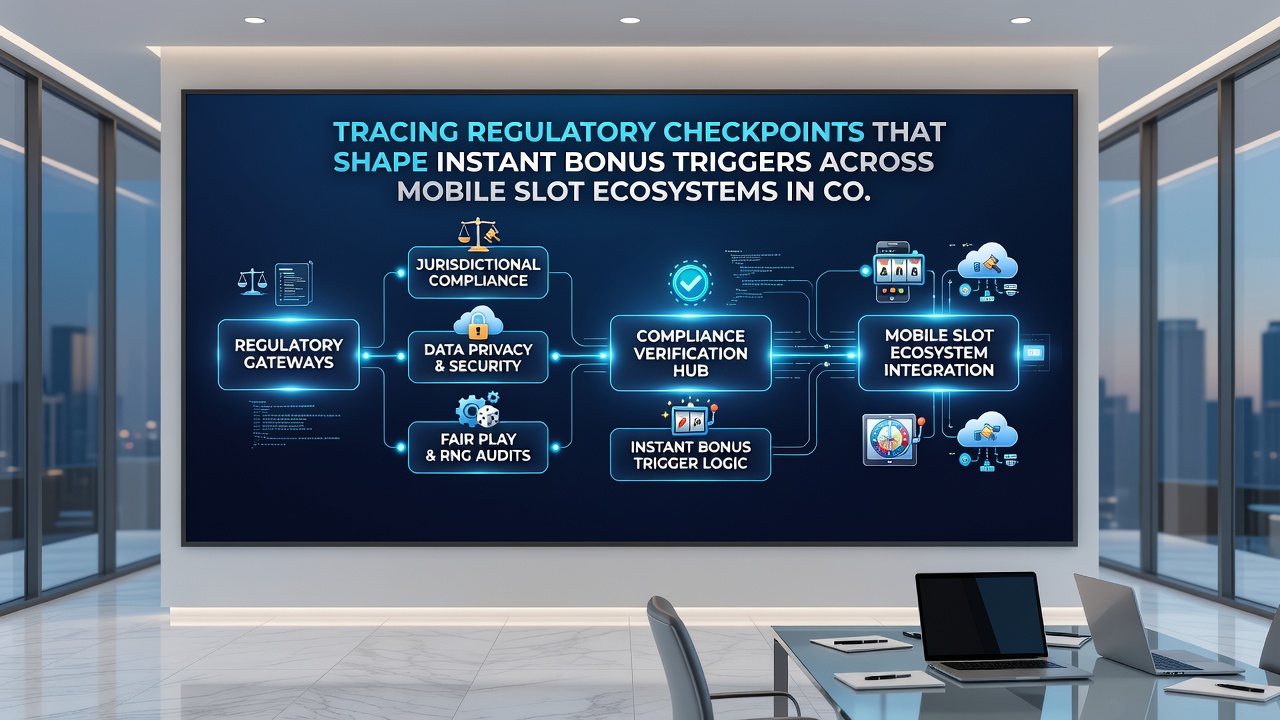
Industry reports from European gaming associations highlight that controlled markets in the region require operators to maintain detailed logs of every bonus trigger event, including device type, session duration, and the exact regulatory checkpoint sequence completed. These records support post-event audits that verify compliance without interrupting live mobile play. What's interesting is how the same rules apply across different slot titles, forcing developers to build modular bonus systems that adapt to jurisdiction-specific limits rather than using a single universal trigger mechanism.
Cross-Border Data and Reporting Obligations
Because Nordic regulators share certain information through regional cooperation frameworks, operators must structure their mobile bonus systems to feed anonymized trigger data into centralized reporting portals. This process occurs automatically after each instant activation and helps authorities monitor aggregate patterns without accessing individual player details. A study conducted by an Australian research institute on similar regulated environments found that transparent reporting correlates with fewer compliance incidents, and Nordic authorities have adopted comparable metrics to track bonus-related player behavior across mobile channels.
Checkpoints also extend to marketing restrictions that govern how operators promote instant bonuses within mobile apps, requiring clear separation between game mechanics and promotional content so users encounter triggers only after explicit consent steps. Those who've examined the guidelines point out that violations in this area often result in temporary suspension of bonus features until corrective measures receive approval.
Conclusion
Regulatory checkpoints in controlled Nordic markets continue to define the operational boundaries for instant bonus triggers across mobile slot ecosystems, with each jurisdiction maintaining distinct yet overlapping requirements that operators must satisfy simultaneously. Data collected through 2026 illustrates steady refinement of these processes, particularly around verification timing and audit logging, while platforms adapt their mobile architectures to maintain compliance without sacrificing responsiveness. External sources such as Spelinspektionen and reports from the Victorian Commission for Gambling and Liquor Regulation provide further context on how similar checkpoint systems function in other regulated environments.