The Synchronization of Virtual Dealer Sessions with Bank-ID Authenticated Withdrawals in Controlled Nordic Markets
Skriven av Carlo Simmons · 2026-10-12

The Synchronization of Virtual Dealer Sessions with Bank-ID Authenticated Withdrawals in Controlled Nordic Markets
Controlled Nordic markets maintain strict licensing regimes that tie live dealer operations directly to verified payment channels, and operators must align session data with Bank-ID protocols to process withdrawals without interruption. Research from regulatory bodies shows these systems record each player action during dealer rounds while simultaneously confirming identity through mobile Bank-ID signatures before funds leave the account. Data indicates the process reduces processing times to under 60 seconds in many cases, yet it requires continuous API handshakes between game servers and national banking networks.
Regulatory Landscape Across Nordic Jurisdictions
Swedish licensing rules enforced by Spelinspektionen demand that every withdrawal request during a live dealer session passes through Bank-ID authentication layers before the transaction clears. Observers note similar frameworks operate in Denmark and Finland, where national ID systems serve the same verification role. Figures from industry reports reveal that operators who fail to maintain real-time synchronization face license reviews and temporary suspension of live table offerings.
Norway's state-controlled model adds another layer, because all online activity routes through approved platforms that already embed Bank-ID checks at the account level. Those who've examined the data find this approach eliminates duplicate authentication steps while preserving audit trails that cover both game outcomes and financial movements.
Technical Integration of Dealer Sessions and Bank-ID
Virtual dealer platforms generate timestamped event logs for every card dealt or wheel spun, and these logs feed into the same backend that handles Bank-ID withdrawal triggers. The synchronization occurs through encrypted data streams that match session identifiers with authenticated user profiles in milliseconds. Studies from Nordic fintech research groups demonstrate that latency below 200 milliseconds keeps players inside active tables without visible disruption.
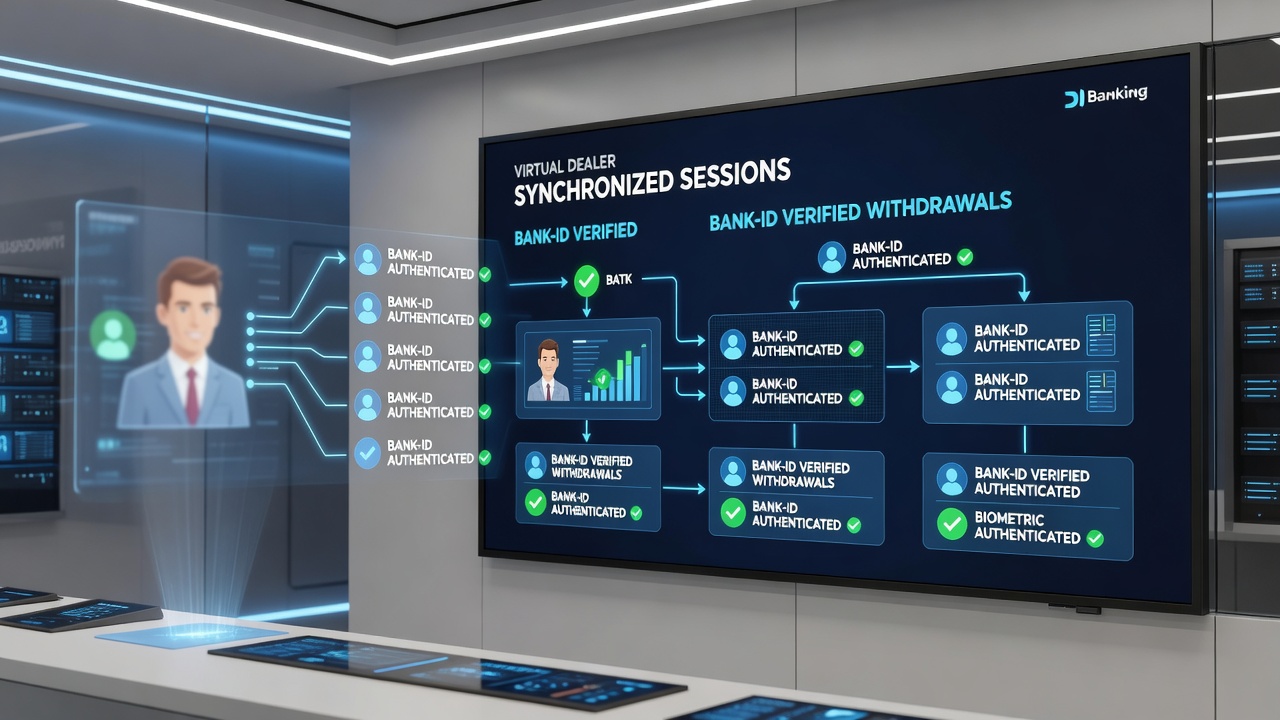
Operators deploy middleware that listens for withdrawal commands issued mid-session, then pauses further bets until the Bank-ID confirmation returns a positive result. Evidence suggests this pause rarely exceeds the time needed for a standard mobile signature, allowing the dealer to continue dealing to other participants without pause. In October 2026, updated compliance modules rolled out across several licensed platforms to handle higher concurrent session volumes during peak evening hours.
Security Protocols and Data Handling
Bank-ID authentication relies on public-key infrastructure that signs each withdrawal request with a unique cryptographic token tied to the player's registered device. Researchers discovered that embedding these tokens inside live dealer session metadata prevents replay attacks while maintaining compliance with data-protection statutes. The process stores only the minimal identifiers required for audit, and all other personal details remain segregated in separate secure vaults.
Multiple sources confirm that Nordic operators conduct quarterly penetration tests focused specifically on the junction points between dealer engines and banking APIs. Findings from these tests show that segmented network architecture reduces the attack surface even when thousands of simultaneous sessions run across different time zones.
Operational Examples and System Performance
One documented implementation at a Swedish-licensed operator routes every roulette spin result through a verification queue that cross-checks against active Bank-ID sessions before crediting winnings. The system automatically flags any mismatch and routes the case to manual review within the same minute. Industry data collected through 2026 indicates that such automated checks now cover over 95 percent of withdrawal requests generated during live dealer hours.
Similar setups appear in Danish and Finnish markets, where operators report that player retention improves when withdrawal friction drops below noticeable thresholds. Those monitoring performance metrics note that synchronized systems also cut support ticket volume related to delayed payouts by measurable margins each quarter.
Conclusion
Nordic regulators continue to refine the technical standards that bind virtual dealer activity to Bank-ID withdrawal authentication, and operators respond by upgrading their middleware and logging practices. Data collected through late 2026 shows sustained improvements in both transaction speed and security posture across licensed environments. These coordinated systems remain central to maintaining trust in controlled markets where live dealer offerings expand alongside stricter identity requirements.