Mapping Progressive Jackpot Algorithms to Swedish Licensing Compliance and Mobile Payment Flows
Skriven av Quinn Richter · 2026-08-31
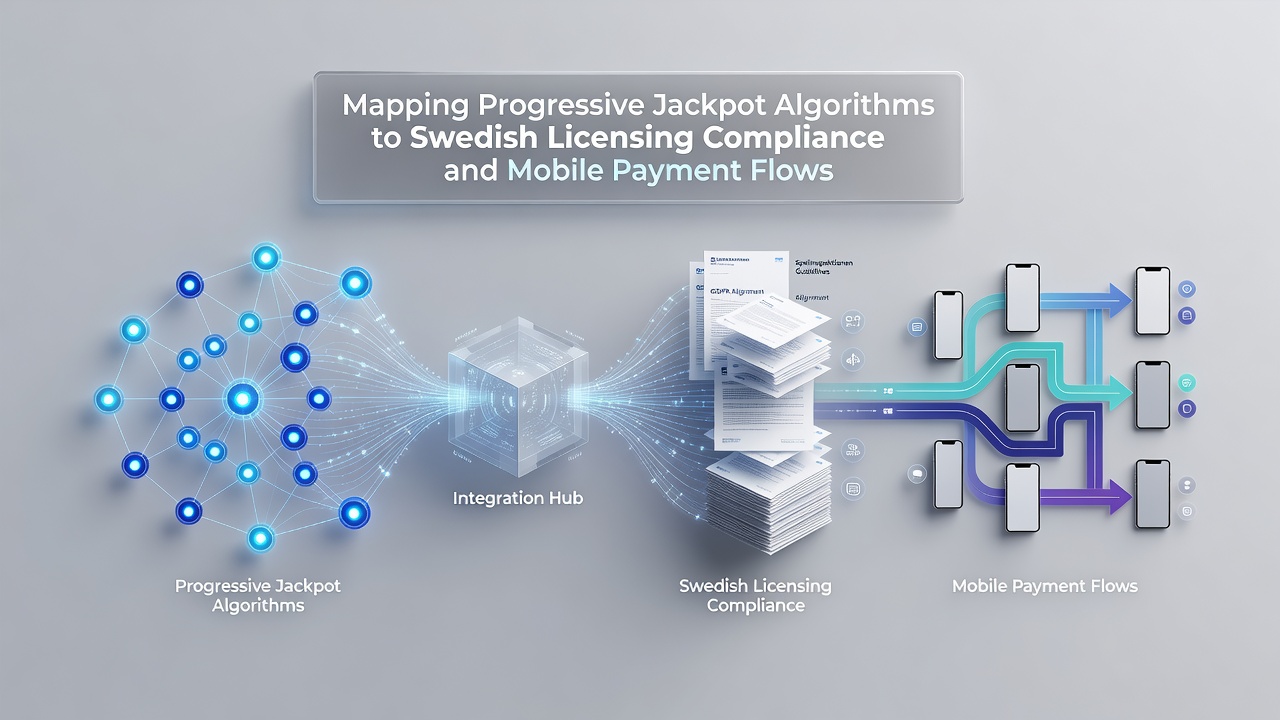
Mapping Progressive Jackpot Algorithms to Swedish Licensing Compliance and Mobile Payment Flows
Progressive jackpot systems operate through algorithms that pool contributions across multiple games and platforms, with each bet increasing the prize pool according to predefined percentages. Swedish licensing under the Spelinspektionen framework requires these algorithms to demonstrate fairness through certified random number generators and transparent contribution mechanics that align with player protection standards.
Core Components of Progressive Jackpot Algorithms
Algorithms track seed amounts, contribution rates from player wagers, and trigger conditions for jackpot payouts, while maintaining separate ledgers for local and networked pools. Data from system operators indicates that contribution rates typically range between one and three percent of each qualifying bet, with adjustments permitted only after regulatory review and approval. These systems must log every transaction in real time to support audit trails required by licensing conditions.
Swedish Licensing Requirements for Algorithm Compliance
Spelinspektionen mandates that operators submit detailed technical specifications for jackpot algorithms prior to launch, including source code reviews and simulation results that verify equitable distribution. Compliance documentation covers how algorithms prevent manipulation, ensure equal probability across players, and handle cases where multiple winners occur simultaneously. In August 2026, updated guidance clarified reporting intervals for jackpot growth metrics, requiring daily submissions during periods of high activity to maintain license validity.
Operators map each algorithmic parameter against specific licensing clauses, creating traceability matrices that link contribution logic directly to player fund segregation rules. This mapping process reveals whether pooled amounts remain isolated from operational accounts, satisfying capital adequacy tests imposed by the authority.
Integration Points with Mobile Payment Flows
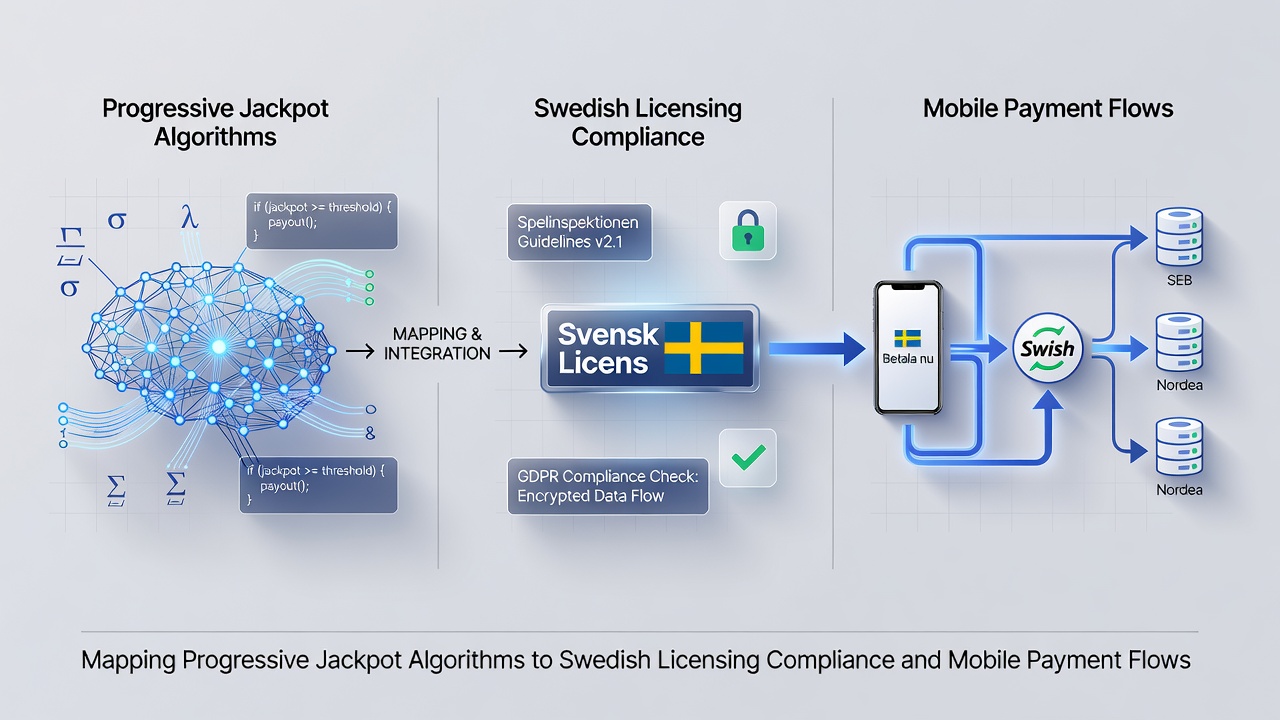
Mobile payment systems such as Swish and other instant transfer methods feed directly into jackpot contribution engines, with transaction metadata captured at the point of wager placement. The mapping process identifies how payment authorization timestamps synchronize with algorithm increment cycles, ensuring that contributions register only after successful fund confirmation. Regulatory records show that failed or reversed payments must trigger immediate reversal of any associated jackpot increments to avoid inflating prize pools with unverified amounts.
Payment flow integration also addresses cross-border considerations, since Swedish licensees may process transactions from approved EU jurisdictions while maintaining algorithmic compliance within national boundaries. Observers note that API endpoints between payment gateways and jackpot servers require encryption standards and logging protocols that match Spelinspektionen technical specifications.
Challenges in Algorithm-to-Compliance Mapping
One documented case involved reconciling variable contribution rates across different game types with fixed reporting formats required by the licensing authority. The solution involved embedding compliance flags within the algorithm itself, allowing automated generation of regulatory reports without manual intervention. Research from European gaming technology institutes indicates that such embedded controls reduce audit preparation time by measurable margins while preserving data integrity.
Another mapping exercise addresses jackpot resets following major wins, where algorithms must return to seed values and simultaneously notify both the licensing body and connected payment processors. This coordination prevents discrepancies between displayed prize amounts and actual available funds in mobile wallets.
Technical Documentation and Audit Processes
Operators maintain version-controlled repositories that record every change to jackpot algorithms, with change logs cross-referenced against licensing amendments. According to Spelinspektionen guidelines, independent testing laboratories must certify that algorithm outputs remain consistent under high-volume transaction scenarios typical of mobile platforms. These certifications form part of the annual license renewal package.
Payment flow audits examine whether contribution deductions occur only on settled transactions, protecting against scenarios where network delays might create temporary mismatches between player balances and jackpot ledgers. Figures from industry reports reveal that operators conducting quarterly internal reviews identify fewer compliance deviations during formal inspections.
Future Developments in Mapping Practices
Emerging standards from international gaming associations emphasize real-time monitoring interfaces that allow regulators to observe jackpot growth and payment inflows simultaneously. Swedish licensees have begun piloting dashboard systems that overlay algorithmic outputs with payment settlement data, creating unified views for compliance officers. A study published by Canadian gaming research centers highlights similar approaches in other regulated markets, suggesting potential for harmonized technical requirements across jurisdictions.
Conclusion
The mapping of progressive jackpot algorithms to Swedish licensing compliance and mobile payment flows requires precise alignment between technical parameters, regulatory clauses, and transaction processing rules. Operators achieve this through detailed documentation, embedded controls, and synchronized logging mechanisms that support both operational efficiency and oversight requirements. As payment technologies evolve and licensing conditions receive periodic updates, the mapping process continues to serve as the foundation for maintaining system integrity within the Swedish market.