Examining Intersections Between Swedish Licensing Rules and Digital Wallet Security Protocols in Live Streaming Environments
Skriven av Eden Wagner · 2026-09-14
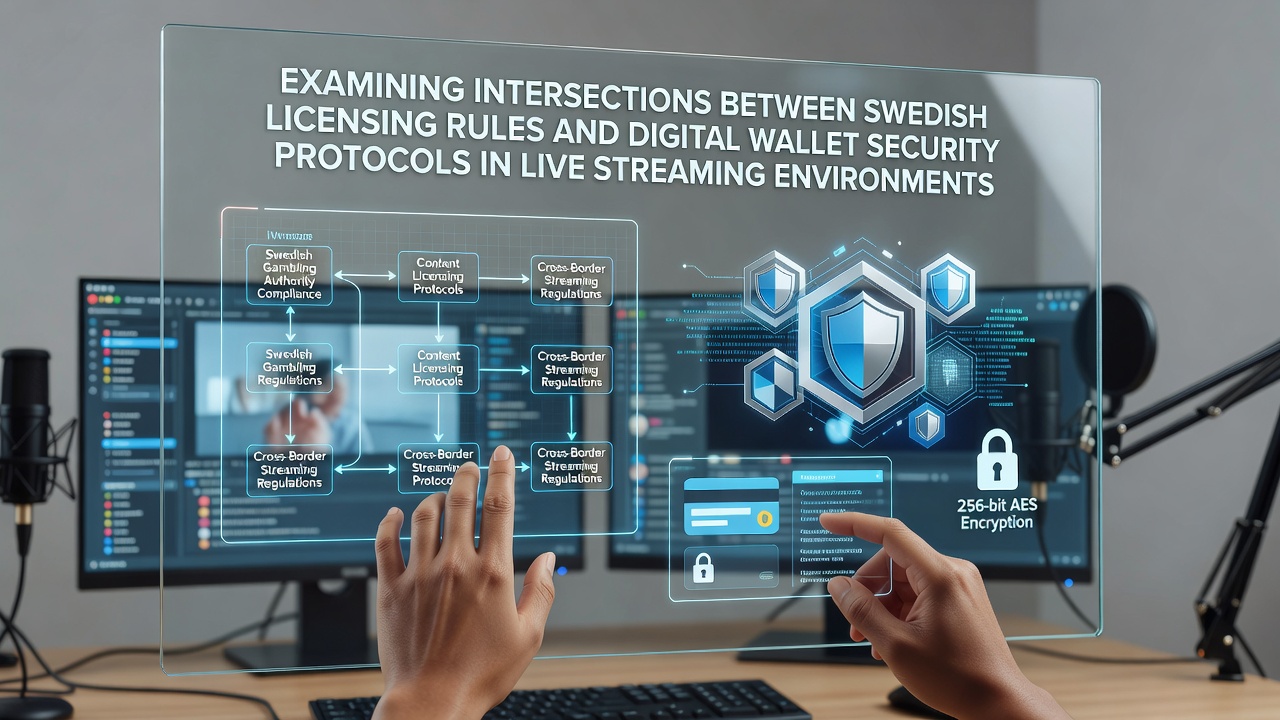
Examining Intersections Between Swedish Licensing Rules and Digital Wallet Security Protocols in Live Streaming Environments
Swedish licensing requirements administered by Spelinspektionen establish strict standards for operators who accept digital wallet transactions during live streaming sessions, and these rules intersect directly with security protocols that protect user funds and personal data in real time. Operators must integrate payment systems that meet both national gambling regulations and broader financial technology standards while maintaining continuous compliance across interactive broadcast platforms.
Swedish Licensing Framework and Payment Obligations
Spelinspektionen mandates that licensed entities verify every transaction through approved digital wallets using multi-layered authentication methods, encryption standards, and ongoing monitoring systems that flag suspicious activity during live events. These obligations extend to streaming environments where viewers may place bets or transfer funds while watching gameplay, which creates additional layers of compliance that operators must address through technical controls and audit trails. Data from the authority shows that licensed companies processed increasing volumes of wallet-based payments in recent years, with emphasis placed on preventing unauthorized access and ensuring funds move only between verified accounts.
Digital Wallet Security in Streaming Contexts
Live streaming platforms incorporate digital wallets that rely on tokenization, biometric verification, and end-to-end encryption to safeguard transactions that occur while content airs. Security protocols require session-based controls that limit exposure windows, and operators integrate these measures with their licensed systems to maintain uninterrupted service. Researchers studying fintech applications in entertainment have documented how wallet providers coordinate with gambling licensees to apply real-time fraud detection algorithms that analyze patterns across multiple concurrent streams.
Key Overlaps in Compliance Requirements
Swedish rules require operators to align wallet security features with licensing conditions that include anti-money laundering checks and responsible gaming limits, which become particularly relevant when transactions happen in public streaming channels. Observers note that these intersections demand synchronized reporting where wallet activity logs feed directly into regulatory submissions, and systems must retain records that demonstrate adherence during both routine audits and targeted investigations. In September 2026 the authority published supplementary guidance clarifying how streaming operators should handle cross-border wallet transfers while preserving data integrity under Swedish jurisdiction.

One documented case involved a licensed operator that updated its streaming infrastructure to embed wallet verification prompts directly into broadcast overlays, allowing viewers to complete transactions without leaving the platform while the system automatically applied licensing-mandated checks. Such implementations illustrate how security protocols and regulatory demands converge to create unified workflows rather than separate processes.
Technical Standards and Regulatory Alignment
Encryption requirements under Swedish licensing match or exceed those found in international digital payment frameworks, which means operators often adopt wallet solutions already certified under multiple jurisdictions. These solutions incorporate features like dynamic CVV generation and device fingerprinting that support compliance when streams reach international audiences. Spelinspektionen documentation outlines acceptable wallet providers and the specific security attestations each must supply before integration with licensed services.
Industry reports from the European Gaming and Betting Association highlight how member companies coordinate technical standards across borders, ensuring Swedish licensees can leverage wallets that satisfy both local rules and broader EU digital finance directives. This coordination reduces duplication while maintaining the high level of protection expected in live environments where timing and transparency matter.
Monitoring and Audit Practices
Continuous monitoring forms a core component of both licensing conditions and wallet security, with automated systems flagging deviations that could indicate compromised accounts or policy violations during streams. Auditors review these logs to confirm that operators applied required controls consistently, and findings contribute to broader industry benchmarks on secure payment handling. Those who examine these intersections often point to the value of standardized APIs that allow seamless data exchange between wallet providers and regulatory reporting tools.
Conclusion
Swedish licensing rules and digital wallet security protocols converge in live streaming environments through shared requirements for verification, encryption, and real-time oversight that protect participants while supporting compliant operations. Operators that align these elements maintain eligibility under Spelinspektionen oversight while delivering secure transaction experiences to viewers. Ongoing updates to guidelines and technology continue to shape how these intersections evolve in practice.