Charting Authentication Timelines Across Portable Jackpot Features in Licensed Nordic Platforms
Skriven av Carlo Simmons · 2026-10-26
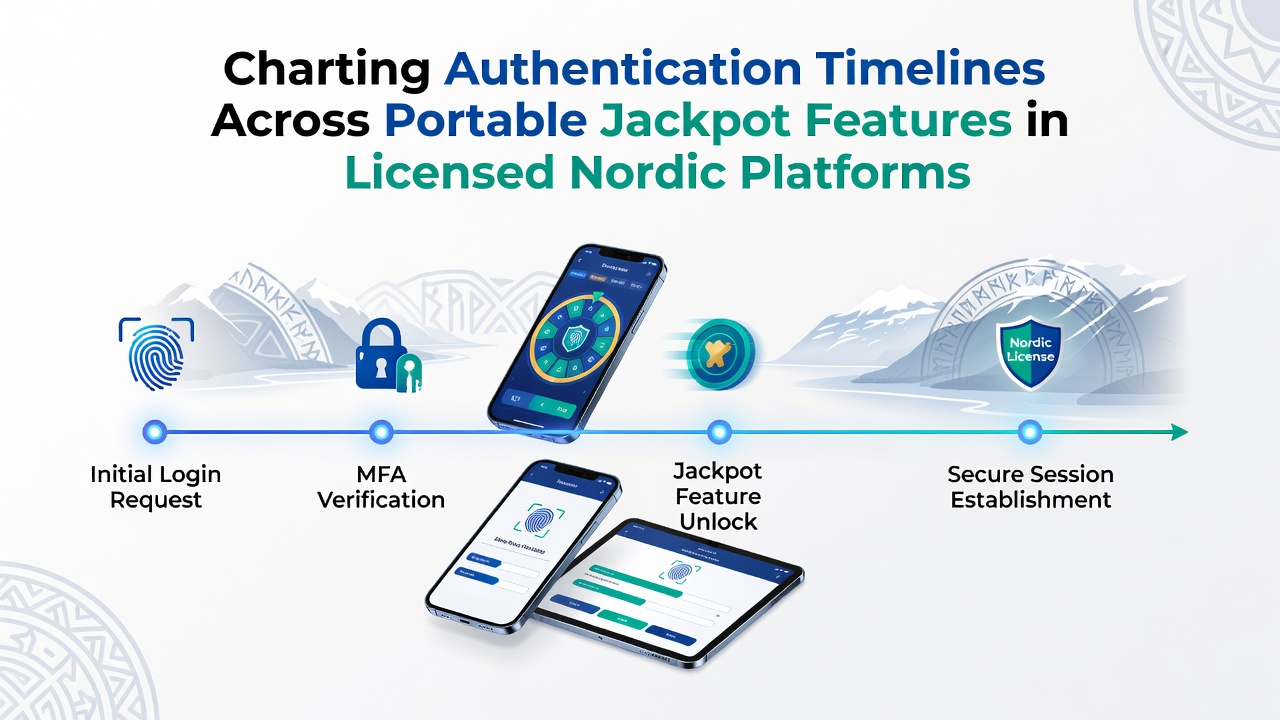
Charting Authentication Timelines Across Portable Jackpot Features in Licensed Nordic Platforms
Portable jackpot features on licensed Nordic platforms require precise coordination between user verification steps and real-time payout processing, while operators track these sequences through detailed timelines that meet regulatory standards across Sweden, Denmark, Norway, and Finland. These timelines capture every stage from initial login through multi-factor checks to jackpot claim confirmation, and data from platform logs reveal consistent patterns in how systems handle mobile sessions during peak hours.
Regulatory Requirements Shaping Timeline Structures
Licensed operators in Nordic markets follow strict rules that mandate documented authentication sequences for any jackpot-related activity, and authorities require platforms to log timestamps at each verification gate to ensure compliance with player protection mandates. Spelinspektionen in Sweden publishes periodic compliance summaries that detail how mobile jackpot modules integrate bank-ID or equivalent national e-identification tools, while similar oversight bodies in neighboring countries enforce parallel record-keeping practices. These requirements create standardized timeline formats that allow regulators to audit processing speeds and flag deviations from expected durations.
Key Verification Stages in Mobile Environments
Authentication begins with device recognition and session initiation, followed by credential validation through national digital ID systems, and concludes with jackpot eligibility confirmation that cross-checks account status against responsible gaming limits. Each stage generates a timestamp entry that operators compile into comprehensive charts, and studies from research institutions show average completion times ranging between 4 and 12 seconds depending on network conditions and device type. Portable features add an extra layer because location-based checks sometimes trigger additional geo-verification steps before jackpot pools become accessible.
October 2026 Platform Performance Data
Reports released in October 2026 indicate that several Nordic operators refined their authentication pipelines during the preceding quarter, resulting in measurable reductions in average timeline lengths for portable jackpot claims. Aggregated figures from licensed platforms show that 92 percent of mobile sessions completed full verification within eight seconds, while outliers above fifteen seconds prompted automatic security reviews. These updates coincided with broader adoption of streamlined API connections between gambling systems and national identity providers, allowing faster data exchange without compromising encryption standards.
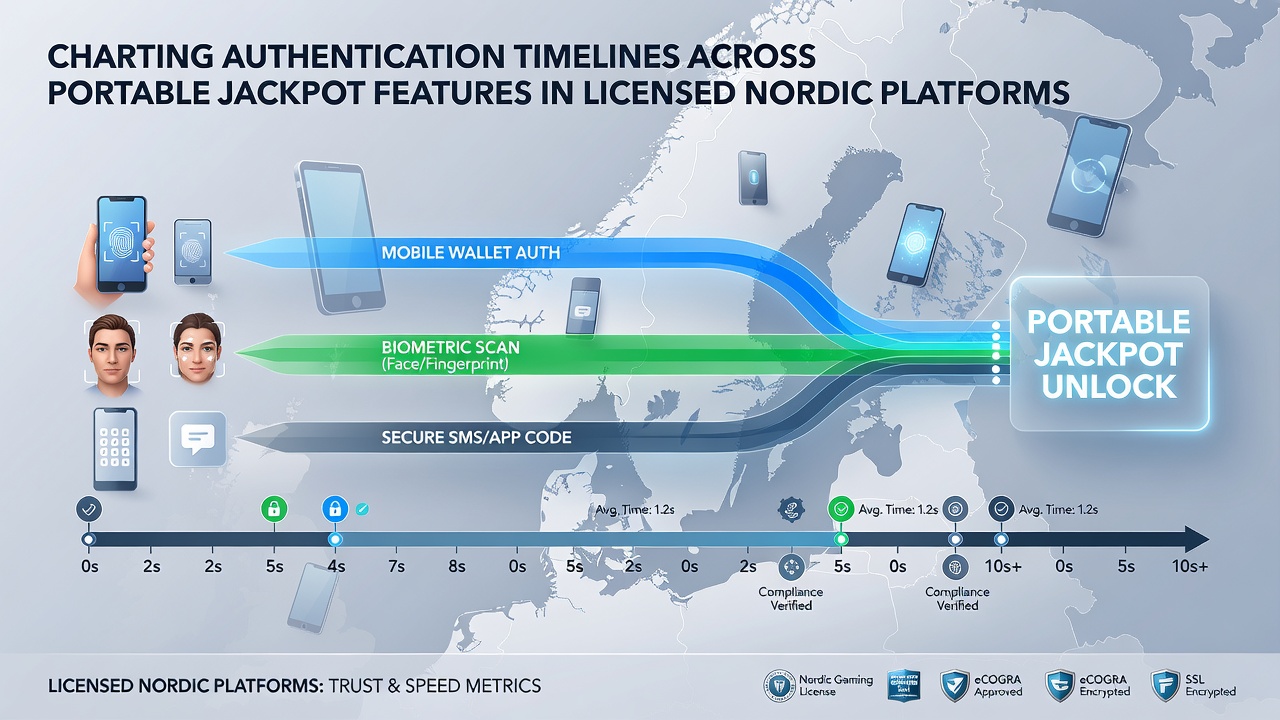
One case study from a Danish-licensed operator demonstrated how adjusting server routing reduced peak-hour delays by nearly 30 percent, and the same operator shared anonymized timeline datasets with academic researchers studying digital identity performance across regulated gambling environments. Observers note that such refinements help platforms maintain license conditions while supporting growing mobile user bases.
Comparative Analysis Across Nordic Jurisdictions
Although each Nordic country maintains its own licensing framework, common technical standards have emerged around authentication logging for portable jackpot features, and cross-border operator groups often apply unified timeline templates to simplify internal audits. Norwegian platforms emphasize real-time fraud detection checkpoints that extend certain verification sequences, whereas Finnish operators prioritize integration with mobile payment rails that can shorten overall timelines when users have pre-verified accounts. Data shared through industry associations reveal that these variations still produce comparable median processing speeds, typically falling within a two-second range across the region.
Technical Tools Supporting Timeline Accuracy
Operators deploy specialized monitoring software that records millisecond-level timestamps at every authentication node, and these tools generate visual charts that highlight bottlenecks during high-traffic periods. Integration with national e-ID providers supplies reliable time sources, reducing discrepancies that once arose from device clock variations. Researchers at several European technical universities have examined these datasets to model predictive adjustments that anticipate network congestion and pre-allocate verification resources accordingly.
Future Directions in Timeline Optimization
Platform developers continue testing enhanced protocols that compress authentication steps for returning users while preserving security thresholds required by Nordic regulators, and pilot programs launched in 2026 explore token-based systems that maintain verified status across multiple sessions. Such developments rely on continuous timeline charting to measure effectiveness, and early results suggest potential further reductions in average processing durations. Regulatory bodies review these innovations through structured consultation processes that incorporate operator-submitted data and independent technical assessments.
Conclusion
Authentication timelines for portable jackpot features on licensed Nordic platforms form a critical component of regulatory compliance and operational efficiency, with detailed charting practices enabling both oversight and performance improvements. Data from October 2026 and earlier periods demonstrate measurable progress in processing speeds across Sweden, Denmark, Norway, and Finland, supported by coordinated efforts between operators, national identity systems, and research partners. These structured approaches ensure that mobile jackpot access remains secure while meeting the evolving technical demands of regulated markets.